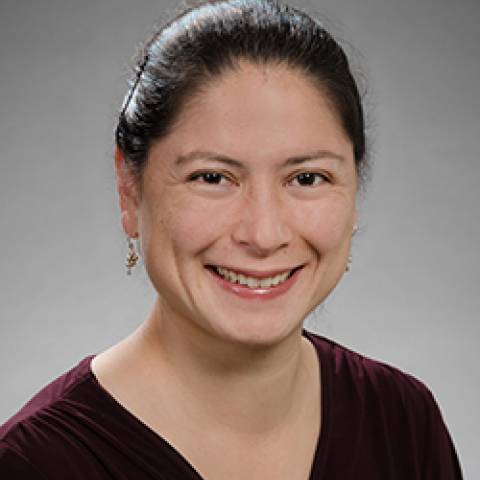
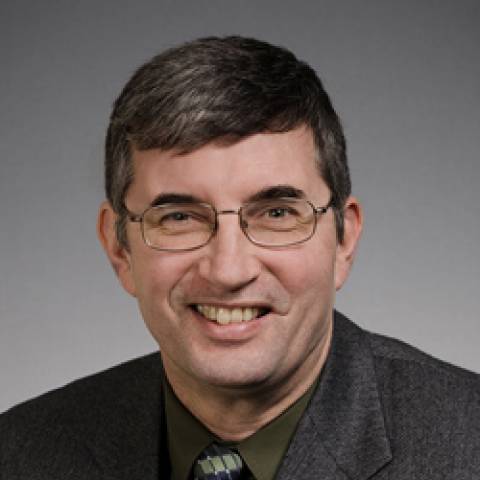
Ali Samii, MD: Movement disorders, Neurology; Neurology Clinic at UW Medical Center
Gary A. Stobbe, MD: Neurology, Autism; Adult Autism Clinic
Gloria von Geldern, MD: Multiple sclerosis, Neurology, Telehealth services; Multiple Sclerosis Center at UW Medical Center
Annette Wundes, MD: Neurology, Multiple sclerosis, Telehealth services; Multiple Sclerosis Center at UW Medical Center
Michael Weiss, MD: Electrodiagnostic medicine, Neurology, Neuromuscular diseases; Neurology Clinic at UW Medical Center
Kimiko Domoto-Reilly, MD, MS: Neurology, Neurodegenerative disorders, Neuropsychiatry, Telehealth services; Memory and Brain Wellness Center at Harborview
Michael Williams, MD: Neurology; Neurological Surgery Clinic at Harborview and Eye Institute at Harborview
Natalia Murinova, MD, MHA: Headache medicine, Neurology; Headache Clinic at UW Medical Center, Neurology Clinic at Eastside Specialty Center, and Eye Institute at Harborview
David L. Tirschwell, MD, MSc: Vascular neurology (stroke), Neurology, Neurocritical care, Telehealth services; Stroke Clinic at Harborview
Claire Creutzfeldt, MD: Vascular neurology (stroke), Stroke care, Neurology, Neuropalliative care, Telehealth services; Stroke Clinic at Harborview
Lynne P. Taylor MD, FAAN, FANA: Neuro-oncology (brain cancer), Brain tumors, Telehealth services; Alvord Brain Tumor Center at UW Medical Center and Fred Hutchinson Cancer Center at UW Medical Center
Suman Jayadev, MD: Neurodegenerative disorders, Neurogenetics, Neurology; Memory and Brain Wellness Center at Harborview, Stroke Clinic at Harborview, Genetic Medicine Clinic, and Rehabilitation Medicine Clinic at UW Medical Center
Nicholas P. Poolos, MD, PhD: Neurology, Epilepsy and seizures; Regional Epilepsy Center at Harborview, Neurology Clinic at Meridian Pavilion
Theodore E. Bushnell, MD: Neurology, Sleep disorders, Sleep medicine; Sleep Medicine Center at Harborview
Joseph Zunt, MD, MPH: Neurology, Neuro-infectious diseases; Neurology Clinic at Harborview
William Longstreth, MD: Neurology, Telehealth services; Neurology Clinic at Harborview
Alzheimer’s disease can be a devastating diagnosis. This progressive neurodegenerative condition affects a person’s cognitive abilities, memories and independence in the later stages. In the United States, approximately 6.7 million people are currently affected, and the Alzheimer’s Association expects that number to nearly double to 12.7 million by 2050.
But patients who receive an Alzheimer’s diagnosis don’t need to resign themselves to an inevitable mental decline. New clinical and research advances can change how people live and function with this condition. And UW Medicine is at the forefront of Alzheimer’s and dementia care through the Memory and Brain Wellness Center at Harborview Medical Center.
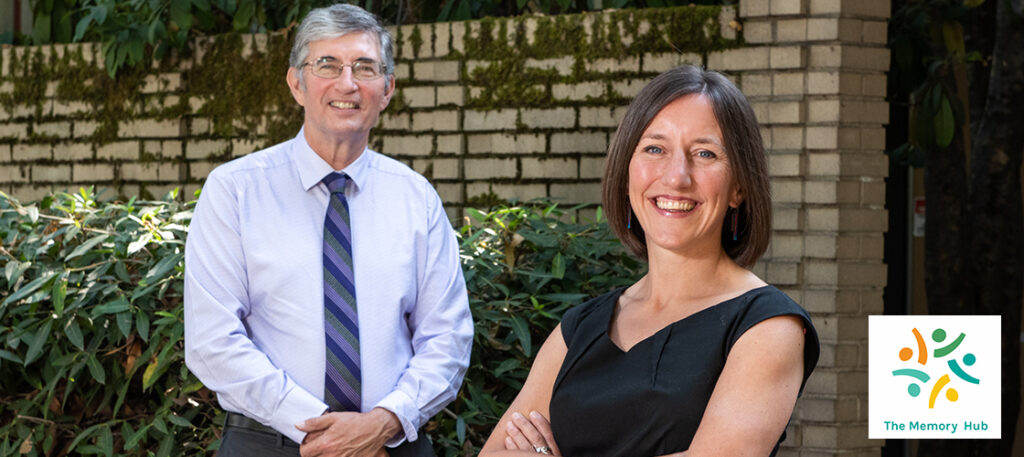
“We are dedicated to bringing together the clinical research and comprehensive clinical activity to improve memory loss,” says Thomas Grabowski, MD, neurologist and Memory and Brain Wellness Center medical director. “We work hard to combat the stigma of this disease. And we work hard to give people a reason to seek early and accurate diagnosis rather than choosing not to think about it.”
A nationally unique program
The center includes a highly interdisciplinary program that combines the expertise of neurologists, psychiatrists, geriatricians, neuropsychologists and social workers. Together, they provide evaluation and care to people who have experienced memory or cognitive difficulties for at least six months with no prior explanation.
This forward-thinking team takes a two-pronged approach to memory care, Grabowski says. First, they concentrate on strengthening those capabilities patients still have. Second, they foster a dementia-friendly community designed to help patients live well and to their full potential.
To fulfill these two goals, the team created the Memory Hub.
A vibrant, engaging space
Located on the Frye Art Museum campus, the Memory Hub is a philanthropically funded dementia-specific community center that supports individuals with memory loss and their loved ones.
“The Memory Hub grew out of our efforts to build a family and community education program into the Memory and Brain Wellness Center,” Grabowski says. “We aligned with the Frye Art Museum, which had several ongoing arts engagement programs for adults with dementia. We brought together five mission-aligned nonprofits to develop support programming and provide a positive therapeutic program for people with mild memory loss.”
The Memory Hub is an inviting space with classrooms, a lecture hall and a resource library. And its sky-lit atrium is decorated with artwork produced by people with memory loss. Maude’s Garden, named in memory of a community member, offers dementia-friendly landscaping with well-defined pathways. Visitors can also stop in to explore the garden and socialize in a relaxing environment.
In addition to creating a welcoming, memory-friendly community, the center also operates several programs to enhance patient experiences, improve clinical care and advance potential treatment options, Grabowski says.
Some of these programs include:
Memory Loss: A Guide to Next Steps: During this 90-minute program, newly diagnosed patients and their families talk with dementia experts and peer mentors about strategies to live well with cognitive decline. They also receive a resource handbook called Living with Memory Loss.
ADAPT: Patients referred from the Memory and Brain Wellness Center clinic can enroll in a two-week mind-and-body wellness program that strengthens their capabilities unaffected by dementia. With a partner — typically a friend or loved one — they commit to 24 hours of program participation. In those sessions, patients learn strategies to manage anxiety and master memory aids.
Project ECHO® Dementia: This online learning model for clinicians gives front-line dementia providers in Washington state an opportunity to consult with and learn from an interdisciplinary panel of experts. These virtual conferences include topic-specific presentations, such as speech and language, seizure, disease-modifying medications and case-based learning.
Alzheimer’s Disease Research Center: Through this federally funded center, all patients with a dementia diagnosis can participate in either clinical trials or other observational efforts. The center also maintains brain tissue, blood and spinal fluid samples researchers can use in investigations throughout UW Medicine.
Benefits
Overall, Grabowski says, the center’s biggest effect has been on how patients perceive their future lives after receiving a dementia diagnosis.
“We’re giving people tools to lean into mild cognitive impairment, mild or mid-stage Alzheimer’s or early dementia,” Grabowski says. “When you hear that confirmed diagnosis, it’s often a life-changing moment. Our work empowers people as they move forward and live with this condition.”
In essence, he says, patients feel like they have the support they need to continue living a healthy, productive life. They are less likely to embrace the narrative of loss traditionally surrounding dementia. By continuing to foster a sense of well-being and hope, the Memory and Brain Wellness Center and the Memory Hub will remain vital parts of memory care.
“As we move into an era with more therapeutic options for Alzheimer’s disease, the need for a place like the Memory Hub is only going to increase,” he says. “If we’re successful in delaying Alzheimer’s and slowing the process down before people develop severe symptoms, people will spend more time only mildly impaired. That means we won’t have to deal with more advanced dementia as much — and that’s a good thing.”
For Thabele (Bay) Leslie-Mazwi, MD, the UW Medicine Department of Neurology is more than the only group of academic medicine specialists providing neurological services to Washington state and the Pacific Northwest. It’s a team of providers uniquely positioned to transform care for the thousands of people living in the area’s most remote locations.
“For rural populations in America, the picture of healthcare is not a good one. They have higher mortality and chronic disease rates than urban groups, and their life expectancy is lower,” says Leslie-Mazwi, Chair of the Neurology Department. “They suffer from issues of health equity on an immense scale because they simply don’t have enough access to care.”
Boosting access is where the Neurology Department can make the biggest impact, he says. By using their expertise in clinical care, research and education, providers can change how patients receive life-altering or life-saving care.
Reaching more patients
Truly moving the needle on neurological care means investing in methods that can deliver timely services to more patients. The question, Leslie-Mazwi says, has been how to do it.
“Figuring out how to provide access to specialty care to all these people in all these places is the challenge,” he says. “It boils down to dividing our efforts into two categories: bringing the patient to us and taking care to the patient.”
Transporting patients: Through UW Medicine’s partnership with Airlift Northwest, providers can transport patients experiencing cerebrovascular, neurotrauma and neurocritical care emergencies directly to one of three landing pads on top of the Harborview Medical Center. This 24/7 service, including five helicopters and four jets stationed across the region, transported almost 500 patients needing emergent or urgent neurological care in 2022, among the thousands of patients transported to UW Medicine in Seattle. “Some of these patients are flying for six hours in one of our fixed-wings to reach our services,” says Leslie-Mazwi.
Taking care to patients: Fortunately, not every case is an emergency. In these instances, providers use three strategies to meet patients where they live.
Travel: Providers from UW Medicine Neurology travel to remote communities — from the Olympic Peninsula to Alaska to Idaho — to meet patients where they are, in concentrated clinics held in partnership with health centers in these locations.
Telehealth: Many providers take themselves to the patient’s location virtually. Through video consultation and telestroke services using telemedicine, they can connect with the patient directly or with the referring provider.
ProjectECHO: Instead of working directly with patients, UW Medicine providers meet virtually with physicians in rural areas to discuss cases. Currently, 68 remote sites connect for provider-to-provider video consultation programs covering dementia, multiple sclerosis, autism and other conditions. It’s an opportunity for rural physicians to ask patient-centered questions, Leslie-Mazwi says. “When these clinicians share their cases, we have the chance to enhance the expertise and knowledge within the provider community. We’re not providing direct patient care, but we’re informing clinicians about what to do in these situations, in a collaborative and inclusive learning environment. This is a data-driven method to efficiently enhance patient outcomes.”
Expanding neurological research
Part of the health inequity rural populations experience stems from their lack of opportunities to participate in research. Large urban hospitals typically conduct clinical studies, including those focused on neurological conditions. As a result, patients in remote locations may not have access to new medications or therapy options under investigation.
UW Medicine neurologists hope to open this door for more people in remote locations.
“One of the things we are working on doing better — and doing more of — is including rural populations directly in our research,” Leslie-Mazwi says. “We need to do a better job of understanding what these communities face. Telehealth is a crucial part of this effort.”
Training the next generation of physicians
The department is also dedicated to changing the future face of neurological care. That effort means giving residents and fellows hands-on experience in providing services in rural locations.
“We consider our entire land region an immense classroom for our trainees,” Leslie-Mazwi says. “We have multiple sites where our trainees can interact with and learn from more than 200 courtesy clinical neurology faculty, who provide extraordinary neurological care in a range of environments.”
These faculty are invited to participate in department activities, like Grand Rounds, and host UW Medicine trainees in their local centers.
Taking on additional challenges
Increasing rural access to care isn’t a challenge UW Medicine neurologists tackle for the WWAMI alone, though finding answers to these problems will transform healthcare delivery in the WWAMI region’s rural locations. The ultimate impact has the potential to reach much farther.
“I remind our faculty that the neurological solutions we’re testing, refining and disseminating are solutions that can be applied in most areas of the world, where there are a limited number of neurological experts and large geographies that need care,” Leslie-Mazwi says. “I feel like we’re all part of something bigger than our work at UW Medicine alone. We strive to take on challenges and find solutions that will have an impact globally.”
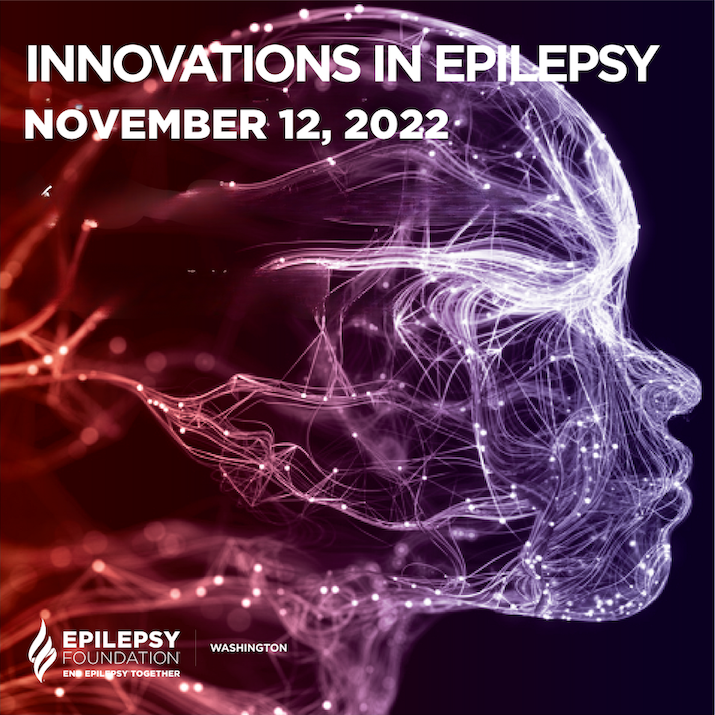
After 2 years of going virtual, we are thrilled to bring you the Innovations in Epilepsy Conference in-person! Join us on Saturday, November 12 atSeattle Children’s Hospital for this annual conference. We have great presenters and topics planned that you don’t want to miss! Featuring UW Medicine’s Dr. Holmes and Dr. Kim!
Can’t join us in-person? Not a problem! All registrants will receive a link a few days before to watch the Conference streamed live! Registration is OPEN so sign up today! https://e.givesmart.com/events/t9Q/
Scientists at the Allen Institute are launching the brain equivalent of the Human Genome Project, leading a new global collaboration to map the approximately 200 billion cells in the human brain by their type and function. The work and research of Dr. Kimiko Domoto-Reilly [uwmedicine.org] and Dr. Thomas Grabowski [uwmedicine.org] are featured in this global project, in addition to Dr. Christine Mac Donald in the Department of Neurological Surgery at UW
The collaboration is funded by the National Institutes of Health’s Brain Research Through Advancing Innovative Neurotechnologies® (BRAIN) Initiative as part of The BRAIN Initiative® Cell Atlas Network, or BICAN, and will also build detailed atlases of macaque and marmoset brains. Led by Ed Lein, Ph.D., Senior Investigator at the Allen Institute for Brain Science, a division of the Allen Institute, and Hongkui Zeng, Ph.D., Executive Vice President and Director of the Allen Institute for Brain Science, the human and primate atlas grant project also includes sub-projects led by researchers from 17 other institutions in the U.S., Europe and Japan.
“We are aiming to create something transformative for the field that can only be done collaboratively, by bringing in an all-star cast of experts from a variety of disciplines,” Lein said. “This is critical work: We need to understand the human brain better if we hope to treat diseases of the brain, and specifically we need a better understanding of brain function and structure. The cell atlases we’re building with the support of the BRAIN Initiative promise to lead to a more rapid understanding of the basis of many brain diseases.”
To read the full article featuring UW Medicine’s Dr. Kimiko Domoto-Reilly, and Dr. Thomas Grabowski please visit the link below:
Congratulations to Gloria von Geldern MD FAAN [uwmedicine.org], Associate Professor of Neurology at the UW MS Center [uwmedicine.org], for graduating from the American Academy of Neurology (AAN) Women Leading in Neurology program this month. This national AAN leadership program for mid-career neurologists empowers women to advance to the top levels of leadership in their fields and within AAN and helps create a peer network of female neurologists. Interested in quality training and personalized coaching and mentoring? Apply now:https://bit.ly/3dlUfvS [bit.ly].
Parkinson’s disease is a progressive nervous system disorder that affects movement. This neurodegenerative disorder affects cells in a specific area of the brain. According to the Centers for Disease Control and Prevention (CDC), the associated symptoms make Parkinson’s disease the 14th cause of death in the United States.
Parkinson’s disease causes stiffness or slowing of movement. It can start so gradually that it is often missed at the early stages. Empowering you and your family with information can help your family get an earlier diagnosis. This article will cover what to expect regarding Parkinson’s disease causes, symptoms, stages, diagnosis, and treatments.
To read the full article, please visit the link below:
Dr. Jamie Wright, diagnosed with hydrocephalus as an infant, begins her second year as a UW Medicine neurology resident.
“I think she’s a good addition to the program,” said Dr. Michael A. Williams, director of the UW Medicine Adult and Transitional Hydrocephalus Clinic and professor of neurology and neurological surgery at the UW School of Medicine. “She’s got an M.D./Ph.D, something not a lot of young people with hydrocephalus have been able to do.”
Wright is now beginning the second year of the intensive four-year training program. Asked how unusual it is for someone with hydrocephalus to be training as a neurology resident, Williams said: “I don’t know of anyone else. I know of some patients in other professions such as the law, but I don’t know of anyone in a neurology residency.”
Her decision to pursue medicine as a career was in some ways a surprise even to her.
To read the full article featuring UW Medicine’s Dr. Jamie Wright, please visit the link below:
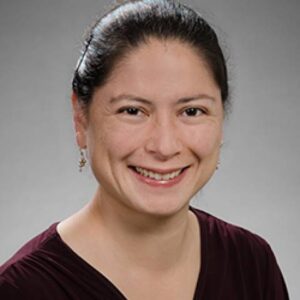 Kimiko Domoto-Reilly, MD, MS: Neurology, Neurodegenerative disorders, Neuropsychiatry, Telehealth services; Memory and Brain Wellness Center at Harborview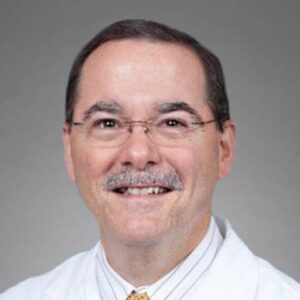
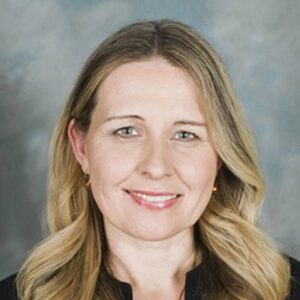 Natalia Murinova, MD, MHA: Headache medicine, Neurology; Headache Clinic at UW Medical Center, Neurology Clinic at Eastside Specialty Center, and Eye Institute at Harborview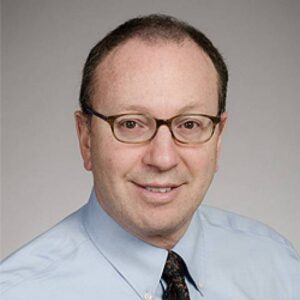
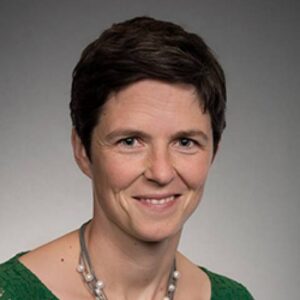 Claire Creutzfeldt, MD: Vascular neurology (stroke), Stroke care, Neurology, Neuropalliative care, Telehealth services; Stroke Clinic at Harborview
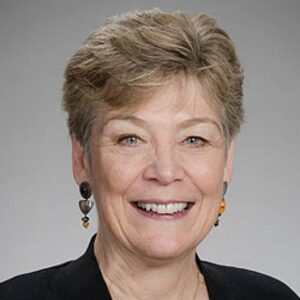 Lynne P. Taylor MD, FAAN, FANA: Neuro-oncology (brain cancer), Brain tumors, Telehealth services; Alvord Brain Tumor Center at UW Medical Center and Fred Hutchinson Cancer Center at UW Medical Center
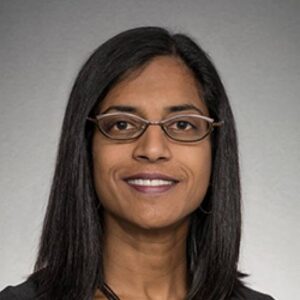 Suman Jayadev, MD: Neurodegenerative disorders, Neurogenetics, Neurology; Memory and Brain Wellness Center at Harborview, Stroke Clinic at Harborview, Genetic Medicine Clinic, and Rehabilitation Medicine Clinic at UW Medical Center
 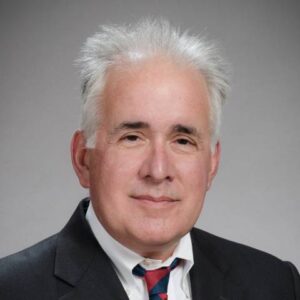 Nicholas P. Poolos, MD, PhD: Neurology, Epilepsy and seizures; Regional Epilepsy Center at Harborview, Neurology Clinic at Meridian Pavilion
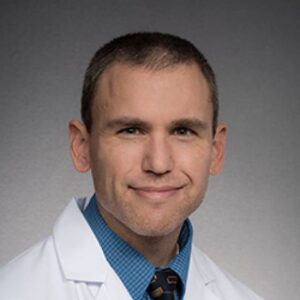 Theodore E. Bushnell, MD: Neurology, Sleep disorders, Sleep medicine; Sleep Medicine Center at Harborview
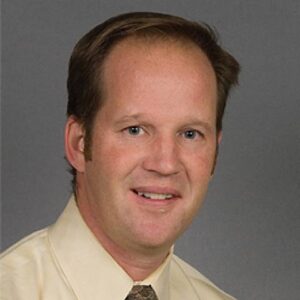 Joseph Zunt, MD, MPH: Neurology, Neuro-infectious diseases; Neurology Clinic at Harborview