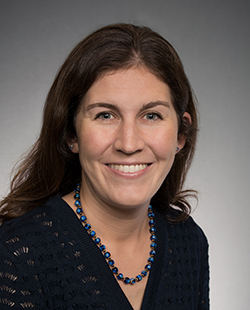
Dr. Davis is the Director of the Vascular Neurology Fellowship, Director of the Harborview Medical Center Comprehensive Stroke Center, and an Associate Professor in the Department of Neurology
The Vascular Neurology Fellowship is one-year ACGME approved program. There are four positions each year. Clinical training is based at Harborview Medical Center, a dynamic county hospital that is also a Joint Commission certified Comprehensive Stroke Center and level 1 Trauma Center caring for approximately 1000 ischemic and hemorrhagic stroke patients each year. In addition to the intensive vascular neurology training offered, there are rotations in neuroradiology, neurosonology/transcranial doppler, and neurocritical care.. Call is taken with the acute stroke interventional team and includes video telestroke. There are numerous opportunities to participate in research and fellows are encouraged with faculty support to submit abstracts to the International Stroke Conference. At the end of one year of training, the trainee will be eligible to sit for the Vascular Neurology subspecialty board certification examination. Those trainees interested in research or an academic career will be encouraged to apply for external (AAN, ASA, NIH) research fellowship funding.
Applications for 2028-2029 will open in November on ERAS
Why UW Vascular Neurology?
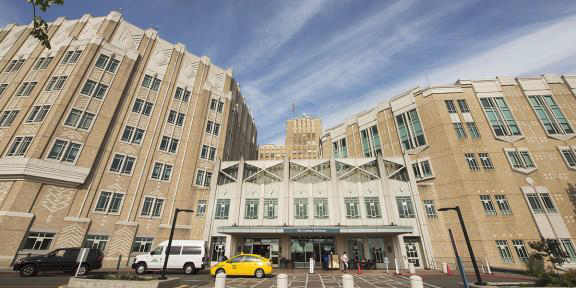
We have a unique geographic location – as the only academic medical center in the Seattle metropolitan area and because we draw patients from a broader region, including Alaska, our patient population is rich and offers a wealth of learning.
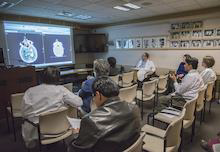
Our faculty are smart, accessible, and remarkably approachable. Anyone at almost any time is happy to sit down and discuss a patient issue or personal concern. As one of the larger vascular neurology programs with 4 fellows/year, you will have a cohort of peers to learn from, as it is a distinct advantage to share the fellowship experience!

Seattle is a phenomenal place to live! Not only do we have a thriving city with great food and cultural activities, but we have easy access to water and mountains as well. Where else can you see sea lions and a volcano (Mt. Rainier) on your commute to work each day?
Vascular Neurology Rotations
Spend time rounding with the inpatient teams at Harborview Medical Center learning from the vascular neurology faculty, neurocritical care faculty, sharing your expertise with trainees, responding to stroke codes, and helping to guide the care of stoke patients admitted to a comprehensive stroke center.
Inpatient rounds include daily rounds in the neurocritical care unit where we co-manage patients with the most severe strokes.
Take shifts triaging and answering consult questions from providers at UW Medicine hospitals and partners throughout the WWAMI region including critical access hospitals in rural and underserved areas. In addition to strengthening your vascular neurology knowledge, you will gain skill in conducting patient evaluations via TeleStroke and learn how to appropriately triage patients across a large geographic area based upon need and availability of resources. Night and weekend shifts on the stroke phone are done from home.
You will spend time caring for patients with severe stroke including subarachnoid hemorrhage, traumatic brain injury, and other severe neurological injury in the neuro ICU at Harborview Medical Center, learning from neurocritical care specialists with a variety of backgrounds including neurology, neurosurgery, neurointerventional, and anesthesiology. Differs from the inpatient rotation in that you will also see the patients co-managed with the neurosurgery service (subarachnoid hemorrhage, traumatic brain injury and spinal cord injury)
Learn the basics of performing and interpreting transcranial doppler ultrasound imaging by working closely with the Harborview Cerebrovascular Lab. For those who would like to pursue certification in TCD interpretation you will have the opportunity to complete the required number of studies to sit for the exam.
Work side by side with the neuroradiology fellows and attendings to deepen your knowledge and ability to interpret neuroimaging. You will also spend time observing neurointerventional cases and will have designated self-study time with suggested learning resources.
This time is designed to help you develop new projects or get ongoing projects across the finish line. Our faculty have a number of research and quality improvement projects that fellows can participate in. We are also happy to support the development of new projects.
Fellows may opt to spend additional time on any of the above. Other popular options include Palliative care, Rehabilitation, Neurology consults, Neuro-intervention. Generally we are happy to work with you to arrange electives of interest!
Stroke Clinic
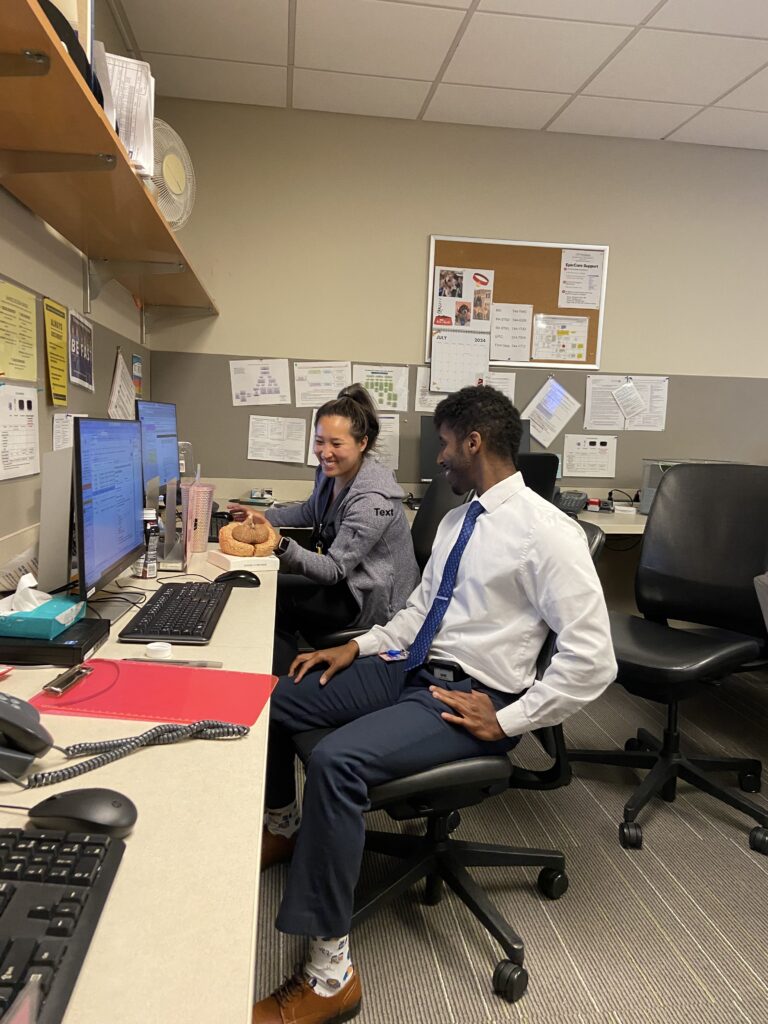
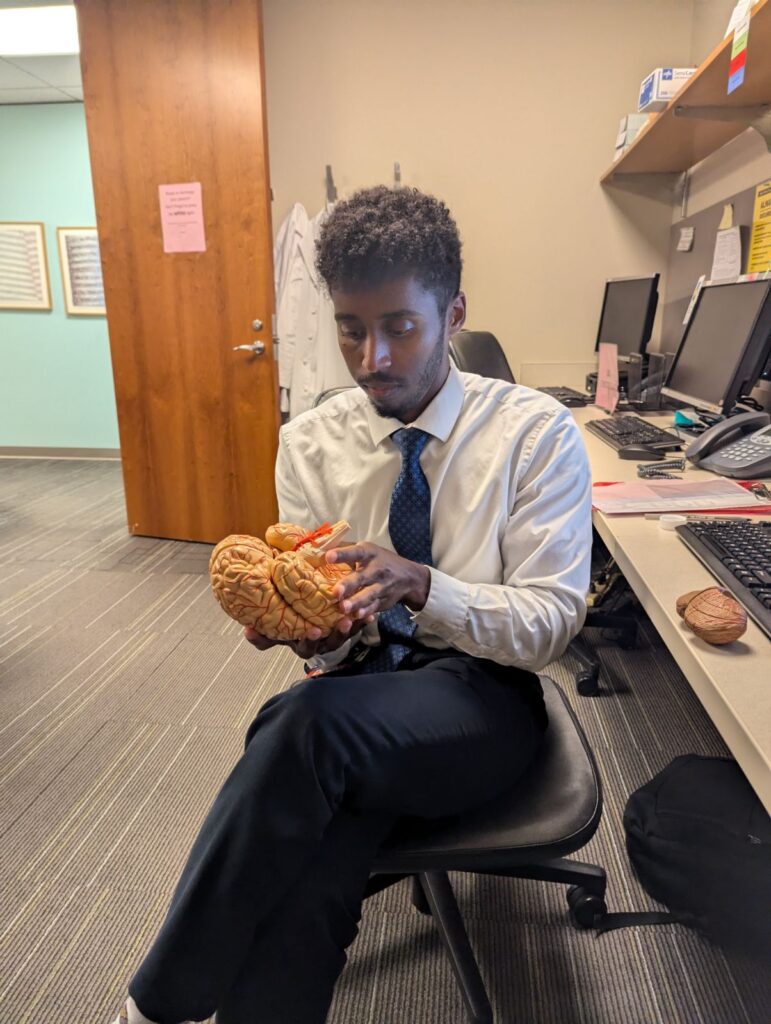
Fellows have the opportunity to care for outpatient vascular neurology patients in half-day clinics each week. The clinic is staffed by vascular neurology attendings and provides an opportunity for continuity of care and for managing chronic neurovascular conditions such as moya-moya syndrome and CADASIL. In addition, fellows have the unique opportunity to spend some time in clinic at Seattle Children’s Hospital under the mentorship of our pediatric vascular neurology expert, Dr. Amlie-Lefond.
Conferences
- Monday stroke webinar (topics from the prior year include International Stroke Conference, NIH Stroke Net Grand Rounds, World Stroke Organization, and more).
- Wednesday noon Neurology Lecture Series (including a monthly stroke lecture and visiting stroke faculty annual lecture)
- Thursday afternoon Neurology Grand Rounds
- Friday afternoon stroke didactics followed by a multi-disciplinary stroke clinical conference (discussion of interventions and challenging or interesting cases of the week)
In addition, fellows are encouraged to attend the International Stroke Conference as well as other national conferences, especially if presenting research.
Teaching opportunities for fellows abound – fellows participate in the Neurology Lecture Series and lead various medical student and resident didactics throughout the year.
How to Apply
Our program participates in the NRMP Match using ERAS for Fellowship Positions. Please upload your C.V., 3 letters of recommendation including a letter from your current program director, a personal statement, and your USMLE Scores into the ERAS program. Applications will be reviewed starting December and interviews will follow.
Prior to appointment in the program, fellows must have successfully completed an ACGME-accredited program in neurology, child neurology, neurodevelopment disabilities, or a program in one of these specialties that is located in Canada and accredited by the Royal College of Physicians and Surgeons of Canada.
To Apply
All applications are submitted through the Electronic Residency Applicator Service (ERAS). Information regarding ERAS can be found on National Residency Matching Program (NRMP).
Applications for 2028-2029 will open in November on ERAS.
For any questions or to submit additional materials for your application please contact our Program Coordinator, at neurofellowship@uw.edu.
Core Fellowship Team
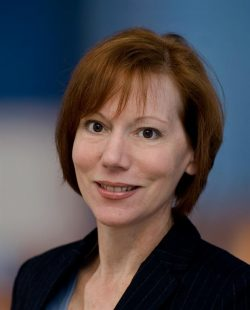
Catherine Amlie-Lefond, M.D.
Dr. Amlie-Lefond is the Director of the Pediatric Vascular Neurology program at Seattle Children’s Hospital, a Professor of Neurology, a UW Faculty Member, and Vascular Neurologist. She is the site director for the fellowship at Children’s and helps direct the Pediatric Vascular Neurology track.
Special Clinical and/or Research Interests:
Pediatric stroke, acute treatment of stroke, cerebrovasculopathy and cerebral vascular malformations
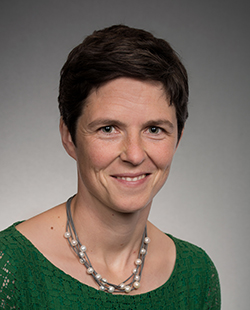
Claire Creutzfeldt, M.D.
Dr. Creutzfeldt is a vascular neurologist at Harborview, the Director of Neuropalliative Care, an Associate Professor of Neurology, a UW Faculty Member, and Vascular Neurologist.
Special Clinical and/or Research Interests:
Neuro-palliative care, especially for patients with severe acute brain injury.

Rizwan Kalani, M.D.
Dr. Kalani is an Assistant Professor of Neurology, a UW Faculty Member, and Vascular Neurologist.
Special Clinical and/or Research Interests:
Lipids and cerebrovascular disease, stroke epidemiology and population-based approaches to stroke prevention in low-and middle-income countries.
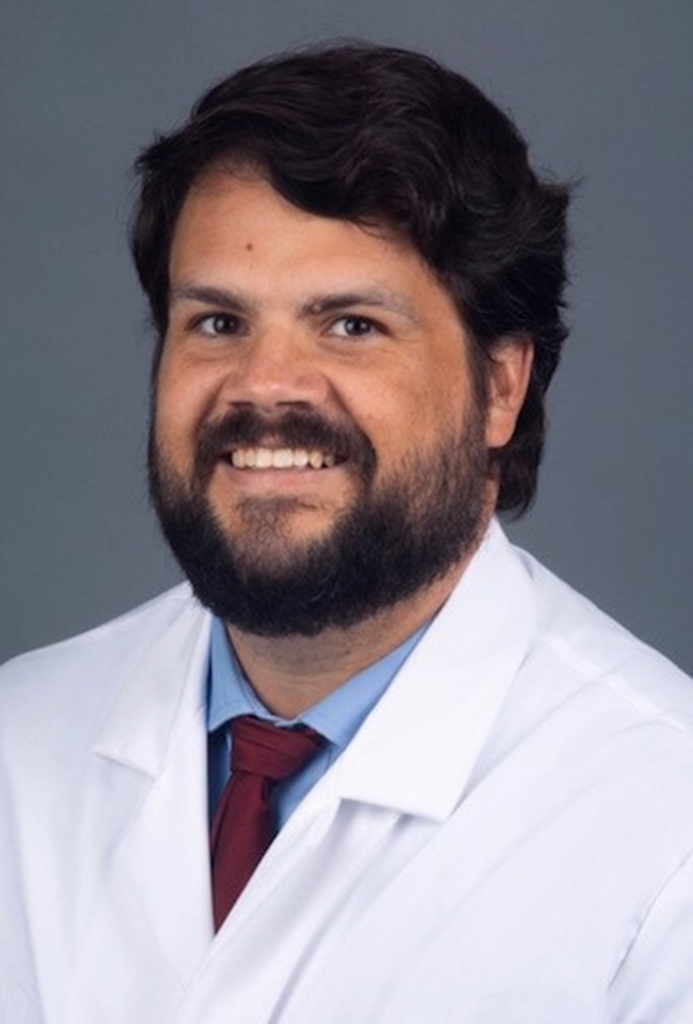
Ryan Kiser, M.D.
Dr. Kiser is an Assistant Professor of Neurology, a UW Faculty Member, and Vascular Neurologist.
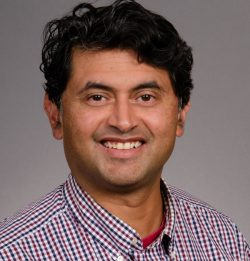
Sandeep Khot, M.D., M.P.H.
Dr. Khot is the Director of the HMC Consult Service, a Professor of Neurology, a UW Faculty Member, and Vascular Neurologist.
Research Interests:
Dr. Khot conducts clinical research on the relationship between sleep apnea and stroke, notably assessing stroke recovery with the treatment of sleep apnea with continuous positive airway pressure (CPAP). Other research includes cardiac arrest, carotid dissection, intracranial atherosclerosis, giant cell arteritis, and stroke.
Clinical Interests:
Care of hospitalized patients with neurologic disease.

Will Longstreth, M.D.
Dr. Longstreth is the chief of Neurology at Harborview Medical Center, Professor of Neurology, an Adjunct Professor of General Internal Medicine, Epidemiology, and Medicine, a UW Faculty Member, and Vascular Neurologist.
Clinical and/or Research Interests:
Cerebrovascular disease and epidemiology.
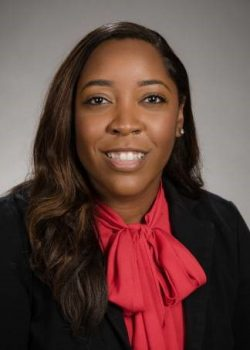
Breana L. Taylor, M.D.
Dr. Taylor is an Assistant Professor of Neurology, a UW Faculty Member, and Vascular Neurologist. She is the Associate Program Director of the Vascular Neurology Fellowship and the Assistant Dean for Seattle Foundations in the UW School of Medicine.
Special Clinical and/or Research Interests:
Medical education and neuro-palliative care communications education.
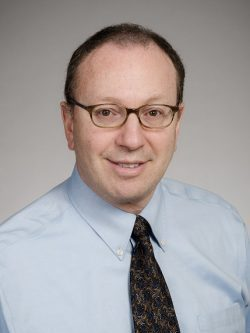
David Tirschwell, M.D., M.Sc.
Dr. Tirschwell is the Medical Director of Comprehensive Stroke Care at the UW Medicine Stroke Center at HMC, a Professor of Neurology, a UW Faculty Member, and Vascular Neurologist.
Research Interests:
Intracerebral hemorrhage, stroke epidemiology, quality of care, clinical trials and outcomes of stroke patients.
Husitha Reddy Vanguru, MD, MBBS
Dr. Vanguru is a, UW Faculty Member, and Vascular Neurologist.
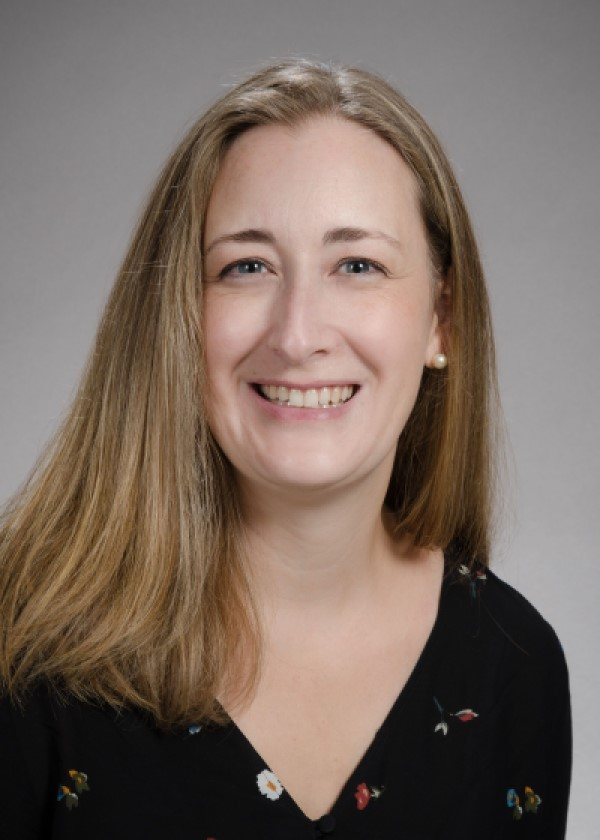
Natlie Weathered, MD, MS
Dr. Weathered is the Program Director of the Neurology Residency Program, a Clinical Assistant Professor of Neurology, a UW Faculty Member, and Vascular Neurologist.
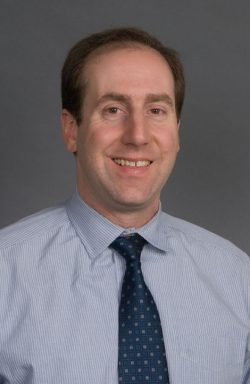
Jonathan Weinstein, M.D., Ph.D.
Dr. Weinstein is a Professor of Neurology, an Adjunct Associate Professor of Neurological Surgery, a UW Faculty Member, and Vascular Neurologist.
Special Clinical Interests:
CNS Vasculopathies, neurovascular leukoencephalopathies
Special Research Interests:
Basic and translational work on the neuroimmune responses in both acute stroke and in ischemic preconditioning.
Dr. Weinstein’s Research Laboratory: https://neurology.uw.edu/research/weinstein-lab/research.html
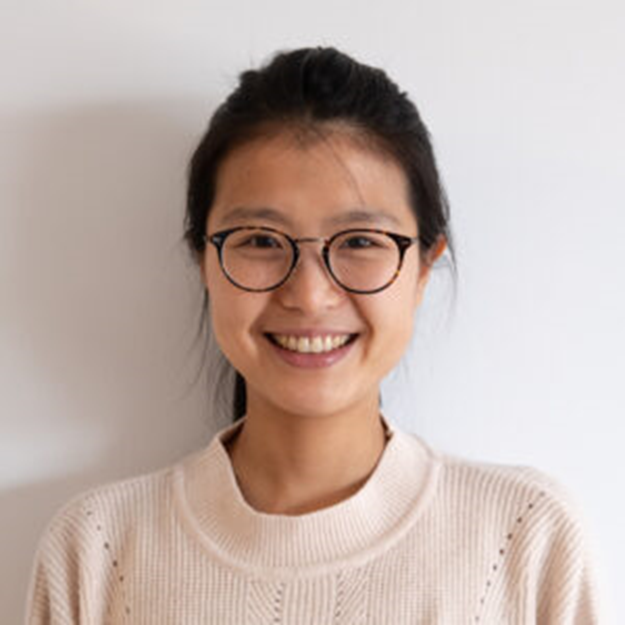
Vivian Yang, M.D.
Dr. Yang is an Assistant Professor of Neurology, the course director of the Mind Brain & Behavior Course for the UW School of Dentistry, a UW Faculty Member, and Vascular Neurologist.
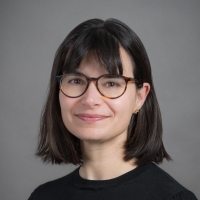
Dr. Seitz is an Assistant Professor of Neurology at the University of Washington, a UW Faculty Member, and Vascular Neurologist.
Special Clinical Interest:
Untraditional vascular risk factors particularly related to sex such as endometriosis, adverse pregnancy outcomes, and migraine
Fellows also work extensively with our neuro-interventionalists, neurocritical care, neuroradiology, and neurooncology faculty, among others.
Current Fellows
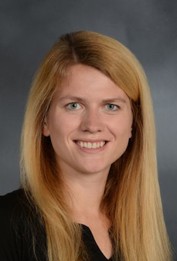
Kara Farnes, MD, MS
Originally from Denver, Colorado, Kara earned her B.A. in Neuroscience from Dartmouth College before working as a research assistant in Boston. She subsequently earned her M.S. and M.D. at the University of Cincinnati. Kara completed her Neurology Residency at Weill Cornell Medicine, where she served as Chief Resident and graduated from the Medical Education Track. Her clinical and research interests include secondary stroke prevention, quality improvement, medical education, and optimizing systems of care for patients with cerebrovascular disease. She is passionate about resident and medical student education and has developed curricula focused on neurology and stroke care. Outside of medicine, she enjoys hiking, book clubs, and supporting her hometown Denver Broncos.
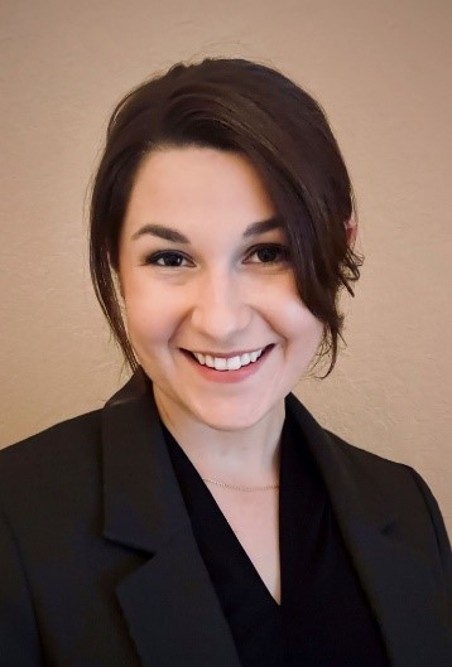
Lily Filipowska, MD
The bulk of Lily’s childhood was spent in Fort Collins, Colorado, before she attended Boston University for her undergraduate studies. There, she majored in Cellular and Molecular Biology and minored in Philosophy. She matriculated as a member of the inaugural class of California University of Science and Medicine and discovered the joy of neurology in her 3rd year clerkship. Unable to move any further west within the continental United States, she travelled north to continue her training at the University of Washington Neurology residency in Seattle, where she served as Chief Resident. Her clinical and academic interests include women’s neurology, cerebrovascular disease, and neuropalliative care. In her free time, she enjoys exploring the mossy woods and beaches of the PNW, reading true crime books, gardening on her balcony, and doting over her cat, Tony.
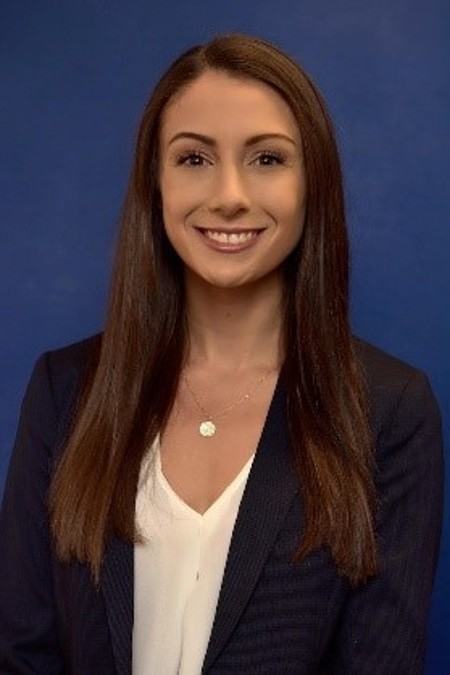
Rachel Mascari, MD, MS
Rachel grew up in Annapolis, Maryland and completed her undergraduate studies at the University of South Carolina, where she earned a B.S. in Biochemistry and Molecular Biology. She then earned a master’s degree in Physiology and Biophysics at Georgetown University before returning to South Carolina for her medical degree. She completed her neurology residency at the University of Virginia. Her clinical and research interests include acute stroke management, neuroprotection, and secondary stroke prevention. Outside of medicine, she enjoys travel, world geography trivia, and hiking with her significant other and dog, Wally.
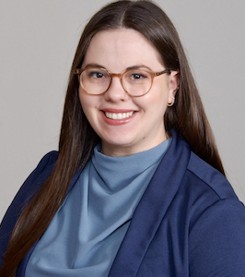
Nicole Platti, MD
Nicole was born on Long Island, New York and raised in Tampa, Florida. She graduated from the University of Florida with a B.Sin Chemistry before earning her medical degree from University of Iowa on the teaching distinction track. She completed her neurology residency at the University of South Florida where she served as one of the Academic Chief Residents. Her clinical interests include hypercoagulability of malignancy, pregnancy-related stroke, and medical education. Outside of medicine, she enjoys reading (and writing Goodreads reviews), strength training, and exploring new coffee shops with her husband.
Fellowship Graduates and Post-Graduate Employment
2025-2026
Maya Gattupalli, MD — Kaiser Permanente (Walnut Creek, CA)
Princess Ikemenogo, MD, MSPH — Piedmont Hospital (Atlanta, GA)
Daniel Quinlan, MD — Alaska Native Medical Center (Anchorage, AK)
Yanely Sanchez, MD — Legacy Health (Portland, OR)
2024-2025
Amen Yonas, M.D. – Mayo Clinic (Jacksonville, FL)
Lori Xu, M.D. – Dell Children’s Medical Center (Austin, TX)
Natasha Khan, MBBS – University of Tennessee (Memphis, TN)
Gitanjali Das, M.D. – University of Utah (Salt Lake City, UT)
2023-2024
Kafi Hemphill, M.D. – UCSF NeuroIR fellowship 2024-2026
Meghan Romba, M.D. – Providence Oregon Teleneurology
Shannon Tierney, M.D. – St Luke’s Medical Center, Boise, ID
Farrah Khan, M.D. – Sevaro Teleneurology and Telestroke and part-time at University of Washington/Harborview Medical Center in stroke clinic, Seattle, WA
2022-2023
Matt Murphy, M.D. – University of Colorado Health (Fort Collins, CO)
Amy Steinberg, M.D. – TeleSpecialists and Indian Health Services
Hope Opara, M.D. – University of Washington/Harborview Medical Center
2021-2022
Ryan Kiser, M.D. – University of Washington Harborview Medical Center (Seattle)
Rachel Schutz, M.D. – Evergreen Heath Medical Center
Nandini Abburi, M.D. – Duke University Hospital in Durham, NC
Diversity Statement
The University of Washington is committed to fostering an inclusive, respectful and welcoming community for all. As an equal opportunity employer, the University considers applicants for employment without regard to race, color, creed, religion, national origin, citizenship, sex, pregnancy, age, marital status, sexual orientation, gender identity or expression, genetic information, disability, or veteran status consistent with UW Executive Order No. 81.
Program Supervision Policy