The UW Medicine MS Center offers an excellent learning environment for fellows pursuing subspecialty training in the highly dynamic field of MS and other neuro-immunologic disorders. Our one-year Clinical MS Fellowship is designed to provide in-depth training in the diagnosis, evaluation, and comprehensive management of individuals with MS and related disorders.
Our strong commitment towards the education of MS clinicians is evidenced by a 20-year history of clinical MS fellowship training – more specifically, by the successful and productive careers of former trainees caring for people with MS in the academic and private setting across several states.
Our faculty is committed to the success of our fellows providing a rich learning experience, and ultimately the skills, knowledge, expertise and tools for them to become confident, independent MS clinicians. The UW MS Clinical Fellowship provides the educational framework for fellows to thrive. Clinical and academic elements of the fellowship training will be tailored towards the fellows’ individual educational objectives and career goals.
We are pleased to announce that the UW Clinical MS Fellowship has been awarded the competitive National MS Society (NMSS) Institutional Clinician Training Award, providing dedicated fellowship funding for three consecutive years. This recognition reflects the strength and quality of our fellowship program and our commitment to excellence in clinical MS training.
Training Sites
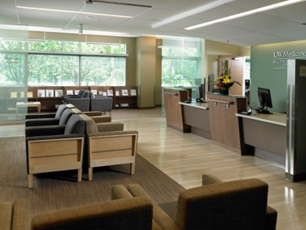
The primary training site is the UW Medicine MS Center recognized for its multidisciplinary care model and where MS-specialized providers from neurology, neuro-ophthalmology, rehabilitation medicine and rehabilitation psychology, all co-located in a single location (Multiple Sclerosis | Neurosciences Institute | Seattle, WA).
As a designated “Center for comprehensive MS Care” site (Comprehensive Care | National MS Society), it has repeatedly received UW Patient Satisfaction awards and in 2022 the “Excellence in MS Care Award” by the National MS Society.
Fellows will be integrated into our multidisciplinary care model and will work directly with our 8 fellowship-trained neurologists; all of which are equally committed to MS care and MS education (Multiple Sclerosis Center at UW Medical Center – Northwest List of
Providers). The teaching faculty’s unwavering commitment to high-quality care is evidenced by patient feedback and peer recognitions including “Seattle Top Doctors” for our attendings.
Fellows will be trained in accurate diagnosis, acute and longitudinal management of MS and other neuro-immunologic disorders. During their fellowship training, fellows will be guided to become experts in management of this complex patient cohort. To experience the full breath of assessment and MS management, fellows will work collaboratively, and at times individually for 1:1 clinical teaching, with our neuro-ophthalmologist, our physiatrists and our rehabilitation psychologists. Additional ancillary specialists, such as a vocational counselor, are integrated into our MS care team enhancing the clinical exposure of fellows. Our specialized clinical pharmacist is an additional resource to our fellows and our clinical team. Our physicians, including our MS fellow, provide medical oversight for infusions given at the adjacent infusion suite where many our patients receive their infusions allowing to gain experience with all infusible agents used in this cohort.
Our faculty is very committed to MS education, examples include:
- Our monthly patient program: each month a provider of our team presents an interactive session on MS-related information for people living with MS and/or their families
- Regional MS Summit, an annual CME conference organized by our faculty in collaboration with other MS specialists in the area to promote up-to-date clinical information and medical decision making for health care providers
- Participation as a designated clinical site for the National MS Society Medical Student Mentorship Program, providing medical students with immersive, multidisciplinary exposure to MS care (MS Clinical Mentorships for Students | National MS Society)
- The UW Medicine MS Center piloted “ECHO MS” in collaboration with the NMSS in 2014 to reduce care barriers for those living with MS. This innovative CME program was later expanded for national delivery across 4 academic institutions, including the UW Medicine MS Center. Although the original ECHO MS model is no longer active in that format, the initiative continues as an NMSS-facilitated learning network and remains active for select sub-cohorts, such as pediatric MS (ECHO MS | National MS Society). Dr. Yujie Wang, a fellowship-trained neurologist with adjunct appointment at John Hopkins, serves as selected faculty of the NMSS Fellowship Difficult Case Webinar program, co-chair of the CMSC MS Professionals in Training Committee and member of the International Stiff Person Syndrome Consortium
- Dr. Roy is a member of the AAN Autoimmune Education Committee and an active contributor of both the “Neurology Minute” and “Neurology” podcasts.
The depth of commitment and educational expertise among our MS subspecialty neurologists is further evidenced by the fact that three faculty members, Dr. Persenaire (2021), Dr. Wang (2024), and Dr. Roy (2025), have received the “UW Neurology Best Teacher of the Year Award.”
Furthermore, our MS subspecialty neurologists are recognized for their expertise in managing rare neuroimmunologic disorders, including ADEM, AFM, MOGAD, NMOSD, optic neuritis, and transverse myelitis. Alongside their clinical practice, select members of the faculty are engaged in national collaborations with clinical service with the UW SRNA Center of Excellence for Rare Neuroimmune Disorders (About | SRNA). Additionally, in partnership with Seattle Children’s Hospital, pediatric MS and neuro-immunology care are integrated with 1-2 monthly clinics to further expand the clinical fellowship experience. Rotations at SCH will expose fellows to the clinical presentations and to the personal experiences of MS in those diagnosed in childhood and adolescence. Some MS mimics, such as MOGAD and other conditions, are also more commonly seen in this age group, allowing fellows to build their clinical expertise. (Neuroimmunology Program – Seattle Children’s).
While the Veterans Affairs Multiple Sclerosis Center of Excellence West has been a valued training partner, current system changes preclude their involvement at this time, and we hope to resume this longstanding collaboration in the future.
Core Teaching Faculty
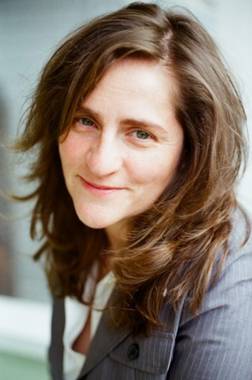
Program Director UW MS Fellowship
Annette Wundes, M.D.
Program Director UW MS Fellowship
Medical Director Neurology UW Medicine MS Center
Professor of Neurology
Adjunct Professor of Rehabilitation Medicine

The UW Medicine MS Center’s neurologists:
- Denis Tan Balaban, MD
- Gloria von Geldern, MD, FAAN
- Edward Kim, MD
- Evan Madill, MD
- Michael Persenaire, MD
- Shuvro Roy, MD
- Yujie Wang, MD
- Annette Wundes, MD
- Eugene May, MD – neuro-ophthalmologist
- Gloria Hou, MD – physiatrist
- Sarah Simmons, MD – physiatrist
Seattle Children’s Hospital
- Catherine Otten, MD
- Elizabeth Ballinger, MD
Didactic Time and Clinical Research
Fellows will be provided protected time for didactics, for leadership training and scholarly activities in collaboration with our faculty. Fellows will be integrated into our clinical trial program for exposure to clinical research.
Our Graduates
The best testimony for any program is the success of its trainees. We are very proud of our graduates!
Former fellows hold clinical and leadership positions across the country. All have rewarding careers and bring their skills, knowledge and expertise to improve the lives of people living with MS and related disorders. Several have established or expanded clinical MS services at their institutions. We are thrilled to see them thrive in their careers.
Here the list of former and current fellows since Dr. Wundes became program director in 2014:
2025-2026: Karl Heward, MD MS Neurologist, The Doctor’s Clinic, Silverdale, WA
- MS Clinical Care
2024-2025: Atika Paracha, MD, MS Neurologist RWJBarnabas Health Comprehensive MS Center, Livingston, New Jersey
- Clinical MS Care
- MS research
2023-2024: Divya Arya, MD, MS Neurologist, Geisinger Health System, Wilkes-Barre, PA
- Clinical MS care
- Tasked to establish a new, comprehensive MS Center at this site
2022-2023: Evan Luxenberg MD, MS Neurologist, Kaiser Permanente, San Rafael, CA
- Clinical MS care
2021-2022: Sargon Bet-Shlimon MD, MS Neurologist, Valley Medical Center, Renton, WA
- Clinical MS care
2020-2021: Dev Metha DO, New York Presbyterian Queens, NY
- Clinical MS and Headache care (also Mayo Headache Fellowship)
2019-2020: Neda Zarghami Esfahani MD, Kaiser Permanente, Seattle, WA
- Medical Director, Comprehensive MS Center Kaiser Permanente Washington
- Awarded “NMSS Center for Comprehensive Care” designation in 2022
- “40 under 40 Award”, Puget Sound Business Journal in 2022
- Clinical MS care
- NMSS Board of Trustees, Greater Northwest Chapter
2018-2019: Ye Hu, MS Neurologist, Virginia Mason, Seattle, WA
- Clinical MS care
2017-2018: Lakshman Arcot Jayagopal MD, Faculty University of Nebraska, Omaha, NE
- Clinical MS care, education, research
- Assistant Program Director, UN Neurology Residency Program
2016-2017: Michael Persenaire MD, Faculty University of Washington, Seattle, WA
- MS and Cognitive Neurology care, medical education (dual FS / faculty position)
- Best Teacher Award UW Neurology 2020
- Associate PD, UW Behavioral Neurology and Neuropsychiatry Fellowship
2014-2015: Lucas McCarthy MD, Virginia Mason, Seattle, WA
- Medical Director MS Center
- Clinical MS care, education, research
- Chair Regional MS Summit 2020-2021, Co-chair 2018-2019
- AAN Registry Subcommittee
2014-2015: Marie-Sarah Gagne Brosseau MD, Sherbrooke University, Quebec, Canada
- Clinical MS care, education, research
Application Process
Applications for academic year 2028-2029 open on November 1st in SF Match.
A complete application to the program should include:
1. CAS Application on SF Match: Complete the Personal Info form and Required Supplemental Form (submission required) and CV
2. Personal Statement outlining your career goals and interest in pursuing our Clinical MS Fellowship
3. Medical School Diploma
4. USMLE/COMLEX Scores
5. 3 Letters of recommendation
6. ECFMG Certificate (if applicable)
Candidates must hold an MD or equivalent, be board-eligible in neurology, and be eligible for a Washington State medical license.
For additional information please see the ACTRIMS website and SF Match website with timetable of key dates/deadlines. For general inquiries, please contact neurofellowship@uw.edu or Dr. Wundes at awundes@uw.edu.
Current Fellow – 2026-2027
Rochelle Kinssies, DO, who is joining us from the University of Florida
Testimonials from Our Graduates
“My 1 year clinical MS/Neuroimmunology fellowship at the University of Washington was invaluable for my career development. Not only was the training excellent, but the opportunities for growth were plentiful. During my short tenure I was involved with multiple research projects, teaching opportunities, community engagement opportunities, and presentations at conferences. The unique advantage of this program is the multidisciplinary care, during training I’ve had the chance to work with neuro-ophthamology, physiatry, and therapy services so that I can provide holistic care for my patients. This fellowship was transformative and I highly recommend it.”
– Karl Heward, MD
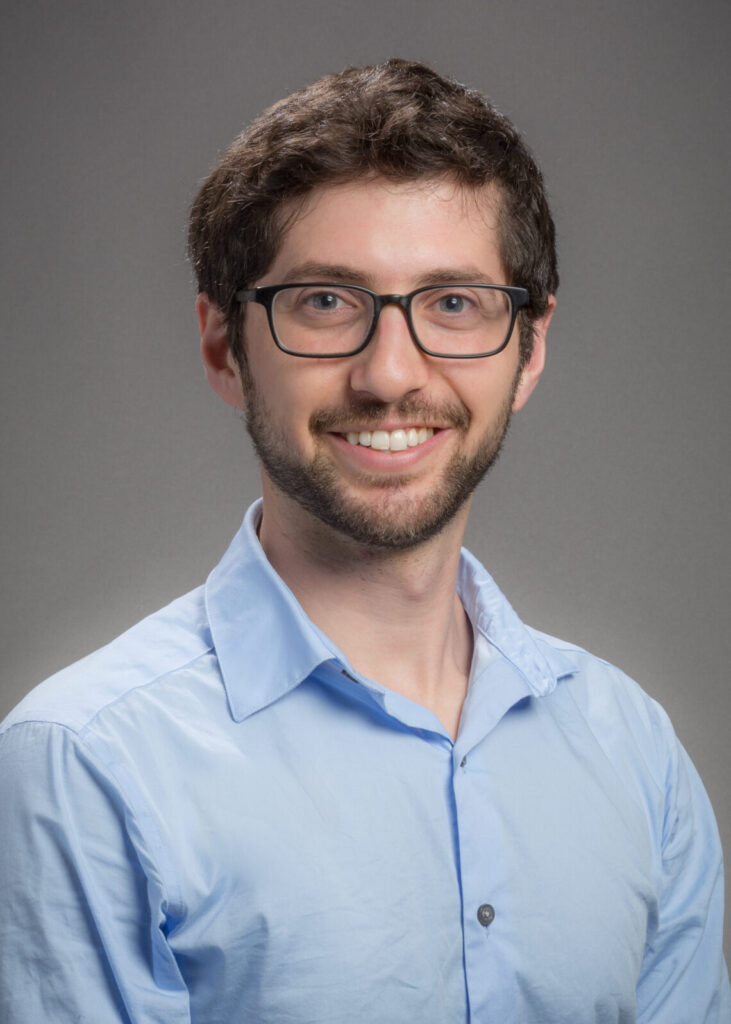
“My clinical multiple sclerosis fellowship at the University of Washington clearly provided me with the skills needed to be in clinical practice as an MS provider. Working in a well-integrated, multidisciplinary MS clinic was a rich environment in which I could learn from not just a full staff of phenomenal MS neurologists, but also neuropsychiatrists and a neuro-ophthalmologist who specializes in MS. I would highly recommend this fellowship and I am truly appreciative for my time at the UW MS clinic.”
– Evan Luxenberg, MD
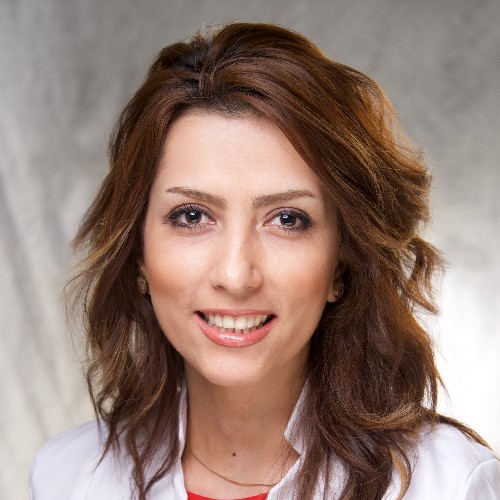
“My yearlong fellowship at the University of Washington was truly transformative for my career. It provided invaluable exposure to a diverse range of patient cases and exceptional mentorship that significantly enhanced my confidence and leadership skills. Shortly after graduation, I established a multidisciplinary MS clinic at Kaiser Permanente, which was recognized by the National MS Society and earned me the 40 Under 40 award from the Puget Business Journal for my innovative approach to improving MS patient care.
I wholeheartedly encourage anyone committed to advancing their knowledge in Multiple Sclerosis to pursue this fellowship. It truly serves as a crucial steppingstone for professional growth and impactful contributions in the field.”
– Neda Zarghami, MD
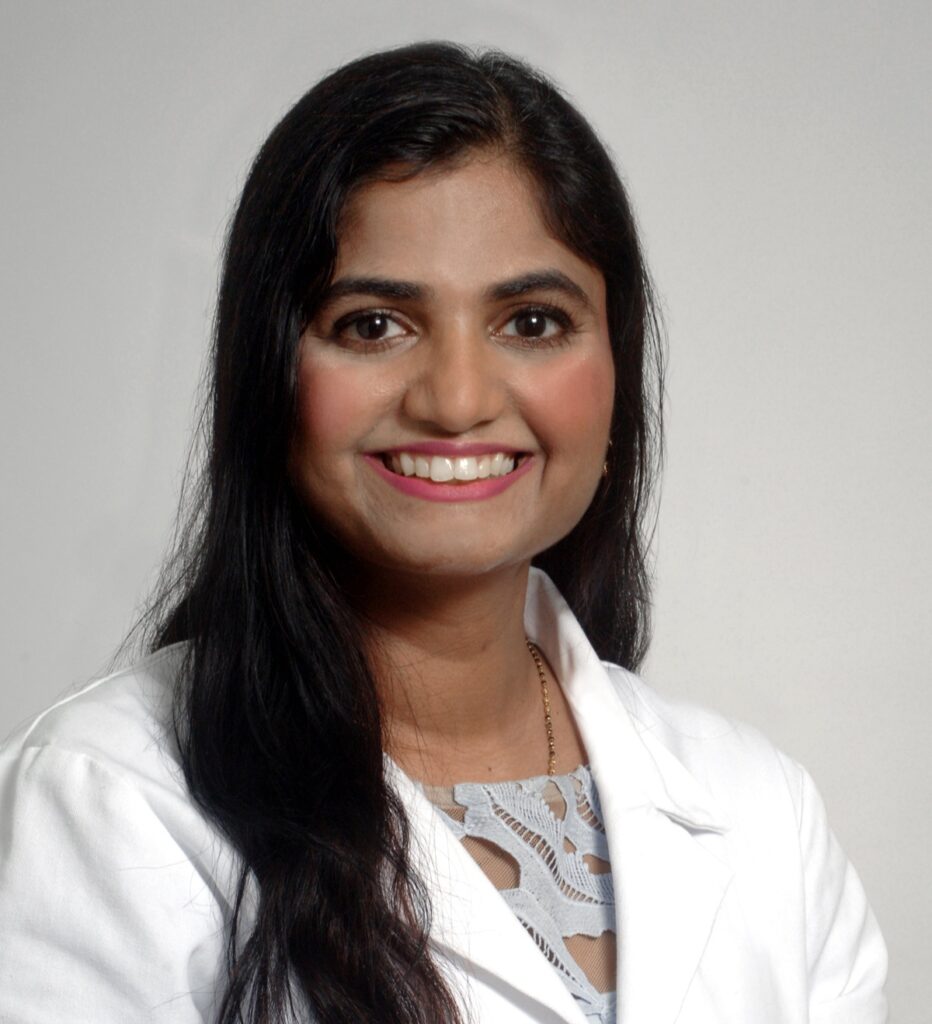
“Only one word can describe my experience as the Neuroimmunology/Multiple Sclerosis fellow for the academic year 2023-2024: phenomenal. During my year here, I received broad clinical exposure to treating both common and rare neuroimmunology disorders and learning how to take care of such patients longitudinally. The MS Center is a true comprehensive center with many attendings and ancillary support services. All of the attendings truly cared about my education and experience and were eager to teach, be it when seeing patients or discussing the latest guidelines and literature. The attendings were very supportive of my research endeavors including inviting me to write a book chapter and start my own research project. My program director, Dr. Wundes, is a truly wonderful human being and was very supportive throughout the year including tailoring the schedule to how I desired it clinically and being understanding of any personal matters that came up. After this amazing year, I feel confident and prepared to embark on a career in Neuroimmunology.”
– Divya Arya, MD
Diversity Statement
The University of Washington is committed to fostering an inclusive, respectful and welcoming community for all. As an equal opportunity employer, the University considers applicants for employment without regard to race, color, creed, religion, national origin, citizenship, sex, pregnancy, age, marital status, sexual orientation, gender identity or expression, genetic information, disability, or veteran status consistent with UW Executive Order No. 81.