While patients with idiopathic normal pressure hydrocephalus often turn to shunt surgery, the idea of a pharmacological treatment like acetazolamide is an attractive alternative. Despite the occasional off-label use of that drug for the condition, a new study does not support that use. Read more here.
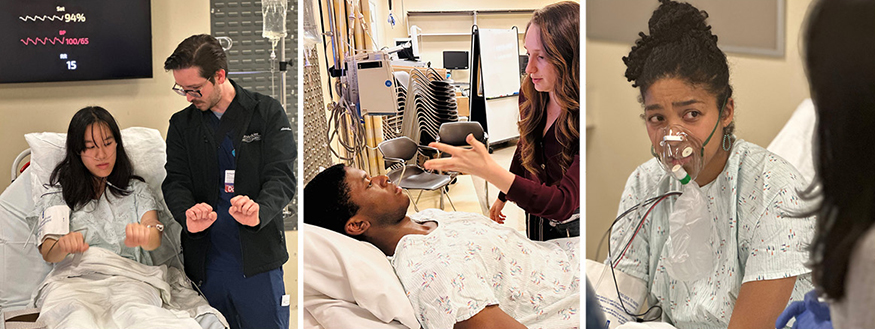
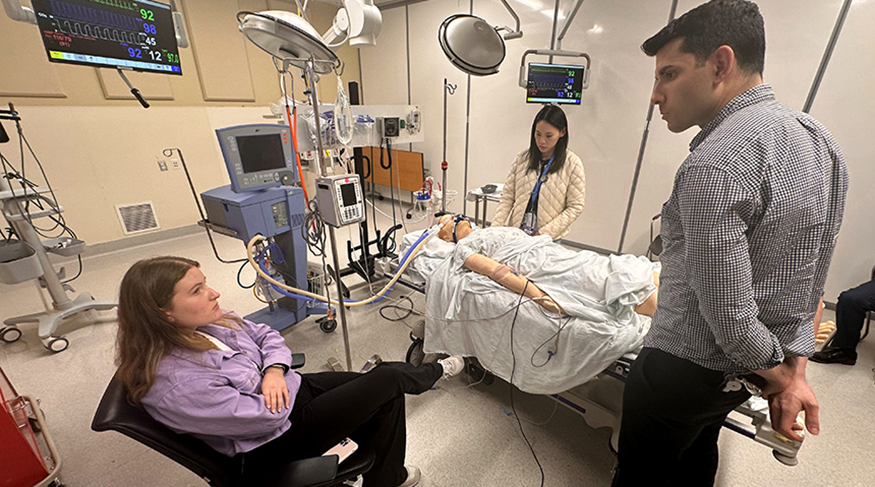
At Harborview Medical Center in Seattle, a patient lies on a gurney in a hospital gown. While answering questions posed by two UW Medicine neurology residents, the patient’s breathing grows labored and the residents must respond.
Across the hall, a 40-something mother and her adult daughter meet with another neurology resident to discuss the mother’s memory decline. While the daughter expresses concern, the mother makes light of recent memory lapses, chalking them up to depression, for which she is being treated.
Such scenarios are familiar for neurologists, but on this day they are simulations, with students from the UW College of Arts & Sciences’ School of Drama performing the roles of patients and family members. Through simulations, medical residents can hone their diagnostic and communication skills before they face similar scenarios with actual patients. The drama students benefit as well.
“I’ve wanted to act for a while, and I’ve always been interested in medicine, so this was a perfect combination,” says UW creative writing major and drama minor Lev Parker, who played the role of the patient on the gurney. “This was my first performance, my first stage.”
The Value of Simulations
Simulations are not new in health care — the UW has a “standardized patient” program involving simulations for clinical training — but neurology training has traditionally been “lecture-based with a lot of self study,” explains Wolfgang Muhlhofer, associate professor and vice chair of education in the UW Department of Neurology. “That’s not really putting our trainees’ active problem-solving, medical decision-making, and communication skills to work.”
“Simulations are really important because they rehearse for real life. …They allow us to engage and activate our whole bodies, our emotions, to gain knowledge and skills.”
Scott MagelssenProfessor, UW School of Drama
To address this, Neurology introduced a full-day “bootcamp” of simulation training for incoming residents in 2022. For the role of patients, Muhlhofer looked into using paid “standardized patients” through the UW’s standardized patient program, but the cost and lack of availability on the date of the planned bootcamp were barriers. So he reached out to School of Drama faculty about recruiting student actors as volunteers.
Initially, Drama faculty felt uncomfortable asking students to take on an acting job without payment. Then Scott Magelssen, professor of theater history and performance studies, offered to create a two-credit course for those interested in participating. Having spent his career studying simulations in various contexts — from living history museums to simulations preparing soldiers for combat — Magelssen knew how valuable simulations can be.
Scott Magelssen (left) and Wolfgang Muhlhofer
“Simulations are really important because they rehearse for real life,” Magelssen says. “They use the tools from theater and performance to create a world that is realistic enough that the training feels authentic. They allow us to engage and activate our whole bodies, our emotions, to gain knowledge and skills.”
Drama students signed up for Magelssen’s course and participated in the neurology boot-camp simulations. The simulations were so well received by neurology residents that Neurology began offering optional two-hour simulation workshops each quarter. Drama students have continued to be involved.
“I think our drama students are hungry for these kinds of experiences,” Magelssen says. “This was a way to have them participate in the simulations but also have an educational component, an opportunity to reflect on the ways they are using their skills and how their art can make an impact in the world outside of the theater.”
Preparing for the Unexpected
Like any acting role, the simulation actors arrive prepared, with guidance from Muhlhofer. He first sends an email describing upcoming simulation scenarios, then discusses the scenarios in more detail with interested students over Zoom. Before the event, the students get a script — “more like Cliff Notes,” Muhlhofer says — with information about their character and the story to tell the trainee physicians. The notes include things they should mention to the trainees, as well as things they shouldn’t volunteer and subtext for the character.
“Subtext is important because patients don’t just show up with a symptom,” says Muhlhofer. “They all have a story that they carry around with them. A lot of times I leave it up to the actors to improvise based on some basic personality traits, some basic emotions they should have in this particular situation.”
Muhlhofer meets with the actors in person for a dry run before the simulation event. He plays the role of the trainee physician and provides suggestions for making the patient’s physical symptoms and emotional responses as believable as possible. The more real the scenario feels, the more the neurology residents will learn from it, he explains.
During a simulation, a patient’s loved one talks to the neurologist. Photo by Wolfgang Muhlhofer.
Sometimes Muhlhofer is surprised at how intense the experience can be for the residents. He recalls one scenario in which the patient complained of a headache and suddenly became unresponsive and had a seizure. “The calm scenario turned into this really high stress situation,” says Muhlhofer. “The resident was rushing around the bed, trying to interact with the patient. The resident’s pager fell to the ground, so the resident kicked it across the room to get it out of the way while yelling orders to the nurse. They had a visceral response to what was happening and got so into it that it felt real.”
Not all simulations are that dramatic, but there are always surprises — even for the actors. Colleen Carey, a comparative history of ideas major and drama minor, recalls playing the role of a patient admitted to the emergency room with a cluster of symptoms. The simulation was run twice with different trainees. Both sought the patient’s consent for immediate intubation, but one was somewhat brusque in delivering this difficult news while the other was skilled and empathetic. Each elicited a different response from Carey.
“Both simulations were not at all what I expected, and yet both offered surprising gifts about the art of medicine as well as the art of communication,” Carey says.
Though the simulations are designed for training neurologists, they also strengthen the drama students’ skills in building a character and improvising under pressure. “In their reflective essays, a lot of our students talk about how this experience helped them build their confidence as a performer,” Magelssen says. “Asked if they would recommend this experience to others, across the board they say ‘yes.’”
Some students, like Carey, have participated many times. With each simulation, she gains something new.
“I continue to find such profound purpose in this work,” Carey says. “There are lessons I continue to learn in this arena that cannot be learned anywhere else.”
Interested in participating in Department of Neurology simulations during the next academic year? Email Wolfgang Muhlhofer (Department of Neurology) at wmuhlho@uw.edu or Scott Magelssen (School of Drama) at mmagelss@uw.edu to learn more.
May is Stroke Month. And Strike out Stroke is a fun educational event with the Mariners coming up 5.31 at T Mobile Park with 12 area hospitals and the United Stroke Alliance.
We need to sell 600 tickets by 5/17 to throw out the first pitch again! Please encourage people to support this cause and to purchase tickets at the link provided.
Participants are also encouraged to stop by the educational table on the 3rd level to get your shirt and enter a raffle with 5, one hundred dollar gift cards for those who can tell us what BEFAST Stands for!
For the past 20 years, UW Medicine has been a leader in brain tumor care. Our faculty members provide advanced therapies to treat more than 100 kinds of brain tumors. Today, our leadership extends further as we are involved in multiple research efforts to improve the comfort level and extend survival for many patients.
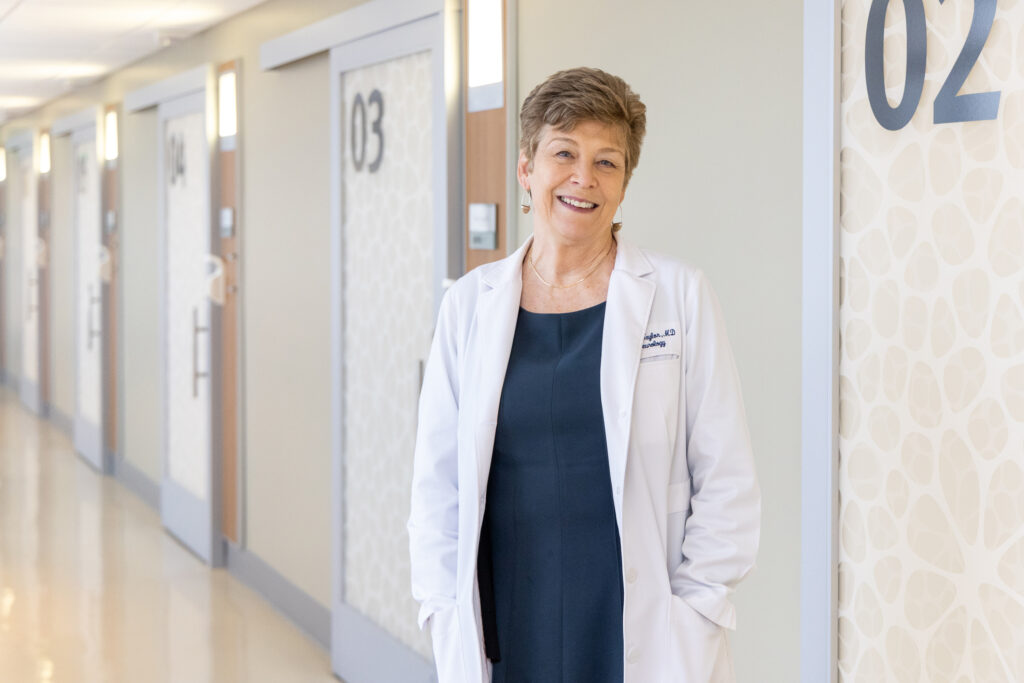
“Patients with brain tumors have very special needs. Their tumors can strike at the heart of who they are as people, producing symptoms that affect language, memory and motor or sensory functioning,” says Lynne P. Taylor, MD, FAAN, FANA, the neuro-oncology co-director at the Alvord Brain Tumor Center at University of Washington Medical Center – Montlake. “As neuro-oncologists, we are working with our colleagues nationally to develop clinical trials to try and improve quality of life and overall survival.”
Taking research to the next level
The brain tumor team is currently involved in three clinical investigations that could open the door to better therapies in the future.
Vaccines: As part of immunotherapy research, our investigators participate in a randomized-controlled clinical trial to examine whether the therapeutic vaccine SurVaxM can lengthen survival for patients with glioblastoma. Participants will receive one of two treatments: an oral pill: temozolomide (standard of care chemotherapy) with SurVaxM in Montanide (a milky solution to encourage the patient’s immune response) or temozolomide and saline in Montanide (placebo).
“In this trial, we’re attempting to use immunotherapy to stimulate the patient’s immune system to shut down tumor growth using survivin, a molecule that plays a large role in tumor aggressiveness and resistance to therapy,” she says.
Drug combination therapy: In the GBM AGILE (Glioblastoma Adaptive Global Innovative Learning Environment) clinical trial, our researchers work with international partners to test multiple drugs and drug combinations to effectively combat glioblastoma.
“By participating in the GBM AGILE trial, we are contributing to a trial model that promotes rapid testing of multiple drugs and screening drug combinations to, hopefully, get us closer to finding an active agent against glioblastoma.”
Targeted brain tumor therapy: Through the INDIGO clinical trial, our investigators helped confirm that the drug vorasidenib successfully targets the common IDH mutation in lower-grade primary brain tumors in younger patients.
“This is the first example of a targeted therapy of this kind having activity against primary brain tumors,” she says. “These types of tumors primarily occur in patients between the ages 20 and 45, and we may one day be able to delay treating them with chemotherapy or radiation therapy for several years. This delay is extremely important for people during the years in which they are interested in starting families and who, naturally, want to avoid toxic therapies that may impact fertility.”
Slowing and preventing brain tumors
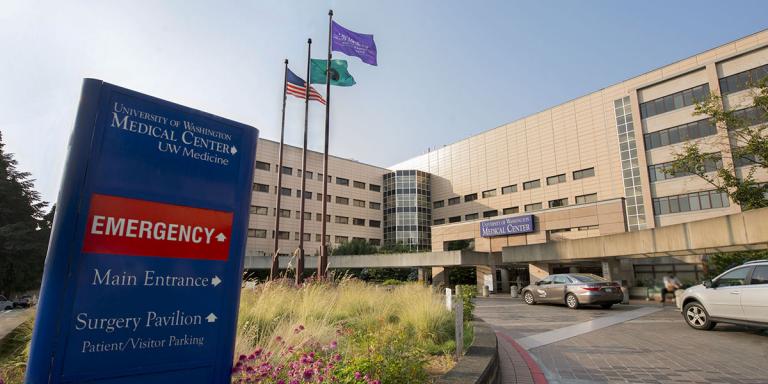
University of Washington Medical Center – Montlake
The team focuses on improving the quality of life for the patients they see in their clinical practices. Through collaborations, our neurological surgeons, radiation oncologist and neuro-oncologists provide medical management for a wide variety of brain tumors both at the Alvord Brain Tumor Center and Fred Hutchinson Cancer Center, an independent organization that serves as UW Medicine’s cancer program. Together, we provide access to the latest the latest research, treatment options and clinical trials.
“We are also very lucky to have the support of neuropsychologists, social workers, cancer nutritionists and nurses specialized in the care of brain tumor patients. We treat symptoms of nervous system problems from a neurological perspective, but we also use chemotherapy and immunotherapy from an oncologic perspective,” Taylor says. “Our goals are to prevent other tumors from forming and to slow down the growth of any tumors surgeons cannot completely remove.”
Neurofibromatosis Clinic
We are an NF-certified clinic through the Children’s Tumor Network. In the Neurofibromatosis Clinic, our experts treat people who have the genetic disorders neurofibromatosis types 1 and 2 and schwannomatosis. These can produce skull base tumors which can cause deafness. Some patients with schwannomas and meningiomas also benefit from bevacizumab, a monoclonal antibody that targets vascular endothelial growth factor (VEGF) expressed in abnormal tumor blood vessels, shrinking the tumors and preventing further hearing loss.
Gamma Knife Center and Proton Center
Our radiation oncologists and neurological surgeons work closely together to deliver stereotactic radiosurgery (Gamma Knife) to patients with metastatic brain tumors to prevent future tumor growth.
Proton radiation therapy is used for younger patients with lower grade brain tumors to limit the exit dose and preserve cognitive function in the future.
A comprehensive approach
To ensure our patients consistently receive the highest level of care, Taylor says our team takes a comprehensive approach to disease management through the dedicated Neuro-oncology Tumor Board.
Every week, they gather as a multidisciplinary group to discuss patient cases and decide on courses of care. In addition to neuro-oncologists and neurological surgeons, this team includes radiation oncologists, medical oncologists, neuropathologists, neuroradiologists, nurses and social workers.
Ultimately, Taylor says, it’s these partnerships that make us a sought-after institution for high-quality neurological care for patients with cancer.
Whether a patient receives a new diagnosis of epilepsy or they have struggled for years to manage their seizures, they need high-quality care from the partnership of their primary care provider and specialist. UW Medicine neurological surgeons and neurologists are trained to deliver the most advanced epilepsy therapies and treatments, offering relief for a condition that affects approximately 3 million people in the U.S.
“The brain is the coolest organ in the body, and epilepsy is a disorder of the brain’s electricity,” says UW Medicine neurologist Nicholas Pete Poolos, MD, PhD. “Epilepsy is one of our more treatable conditions.”
UW Medicine’s Regional Epilepsy Center is at the forefront of care, helping patients with this condition. Through close collaborations, our expert team of neurologists and neurological surgeons identifies and delivers the best treatments for each patient. We’re also leading the way with groundbreaking epilepsy research.
The importance of treating epilepsy
Every patient’s experience with epilepsy is different. Some people have one seizure a year, while others can suffer multiple episodes daily. Many individuals benefit from medications that can prevent seizures, but one-third of patients don’t respond to them, says Poolos, who directs the Regional Epilepsy Center. If patients don’t achieve seizure freedom after trying two to four medications, it’s unlikely they will find the right drug combination for seizure relief.
When epilepsy medications fail, surgical intervention to limit or eliminate seizures is critical, says UW Medicine neurological surgeon Andrew L. Ko, MD. If left uncontrolled, seizures can cause sudden unexpected death in epilepsy (SUDEP). In fact, over time, a patient’s SUDEP risk can equal the mortality risk for a patient with an aneurysm.
Ultimately, addressing a patient’s epilepsy and preventing seizures helps them return to their regular activities in a safe, healthy way.
“Treating epilepsy is about improving quality of life,” Ko says.“If you can make someone seizure-free, they can drive, sleep better, go back to work and have a better life.”
Delivering high-quality seizure care
Getting patients as close to seizure-free as possible is our top priority. Together, our team of nine neurologists, two board-certified neurological surgeons and two neurology nurse practitioners is uniquely positioned to help patients on this journey.
“We have the best-trained providers who can take on the hardest problems,” Poolos says. “We see the entire range of epilepsy patients. People come to us after their first seizure or when they’ve had epilepsy for years and are heading toward surgery after many medications failed.”
As a referral center, we serve a large patient volume from the Washington, Wyoming, Alaska, Montana and Idaho (WWAMI) region. According to Poolos, on average, our providers schedule 4,500 clinic visits, perform 70 surgeries and admit 300 people for electroencephalography (EEG) studies for epilepsy diagnosis annually. Based on each patient’s individual needs, we offer a wide variety of treatments:
Minimally invasive laser ablation
Responsive neurostimulation (RNS)
Deep brain stimulation
Vagal nerve stimulation
Resective brain surgery
Thalamic neurostimulation with the RNS device is our newest procedure. Thalamic neurostimulation directly affects the thalamus, a structure that connects to broad areas of the cerebral cortex, offering the possibility of affecting seizures throughout the brain.
“By using thalamic neurostimulation, we’re trying to hedge our bets and cover a broader territory with brain stimulation,” Poolos says.
Leading advanced investigations
Though several epilepsy medications and surgical therapies exist, there is room for improvement. And the future of research is bright, Poolos says.
Engineered neurotransmitter cells: As an alternative to resective brain surgery, our Center is evaluating a clinical trial that will inject engineered cells that secrete the neurotransmitter GABA to see if it will inhibit brain activity that prompts seizures. Results of this type of neural transplant look promising.
Tau protein expression: The protein tau is typically associated with Alzheimer’s disease, but research shows that genetically deleting it has a powerful anti-seizure effect. Our investigators are testing in an animal model the use of the CRISPR gene editing technique to remove tau from neurons located in the areas of the brain where a patient’s seizures start. If successful, this technique would let providers better target their seizure prevention efforts.
EEG techniques: Our investigators are studying advanced EEG techniques with the ultimate goals of understanding mechanisms and identifying biomarkers of disease.
Imaging and outcome prediction: Our investigators are engaged in developing methods to better predict seizure outcomes after surgery, including the likelihood of seizure freedom and of cognitive decline. A greater understanding of which patients are likely to be seizure-free will allow better counseling for patients, particularly when risking cognitive side effects.
Cognitive decline prevention: Our investigators are studying how minimally invasive laser procedures can protect patients against cognitive decline post-surgery.
Collaborating closely to improve care
Our neurological surgery and neurology teams begin their care delivery partnerships with the patient’s first in-person or telehealth visit, Poolos says. The collaboration continues from mapping the patient’s seizures with EEG monitoring through analyzing any imaging and nuclear medicine studies.
Our neurological surgeons, neurologists, neuropsychologists, radiologists and nurse practitioners convene twice weekly to discuss each patient’s case. Together, 10 to 15 people review the patient’s history, epilepsy diagnosis, medication history, EEG monitoring and MRI imaging.
“By being in the same space, we bring everyone’s best ideas together. It’s a very collaborative environment,” Poolos says. “When you have that many people all thinking about a patient’s situation and how we’re going to devise their best treatment path — that’s a very powerful approach.”
Working so closely together also fosters one of UW Medicine’s greatest strengths: clear provider-patient communication.
“We allow our clinicians enough time to sit down and talk to people. Our patients consistently thank us for listening to them and explaining the different treatments,” Poolos says. “I feel like we’re providing care the right way.”
UW has a new employee affinity group—the UW Disability Staff and Faculty Association (DSFA). Over the last year, this group, which already includes strong representation from both faculty and staff, has been working to build momentum and I am thrilled to serve as their executive sponsor.
Disability is an important part of diversity and our last campus climate assessment indicated that those who identify as having a disability often feel isolated in the workplace. UW’s longstanding employee affinity groups serve as a powerful connector for the communities they welcome and represent. I am confident DSFA will do the same.
I hope you will build awareness through your own leadership communications and diversity efforts. Here is a template to aid in that effort:
UW Disability Staff & Faculty Association (DSFA)
The UW Disability Staff & Faculty Association welcomes anyone who self-identifies as disabled, D/deaf, chronically ill, Mad, neurodivergent, or is an ally to the disability community. Learn more about the supportive environment they are building that honors disability as an important part of diversity.
DSFA joins UW’s longstanding employee affinity groups that are always open and welcoming members and allies:
Asian & Pacific Islander American Association
Black Association
Gay, Lesbian, Bisexual, Transgender, Queer Association
Latinx Association
Native Association
The Office of Minority Affairs & Diversity and UW Human Resources partner on sponsoring UW’s employee affinity groups.
UW Medicine’s Memory and Brain Wellness Center treated its first patient with the new Alzheimer’s drug, lecanemab, on Dec. 1. The drug has been shown to reduce cognitive decline in patients with early Alzheimer’s disease.
Congratulations to the ALS Clinic on receiving a Fall 2023 UW Medicine Cares Award. Nassim Rad, MD, Assistant Professor, is co-director of the clinic along with Michael D. Weiss, MD, FAAN, Professor, UW Department of Neurology.
The UW Medicine Cares Awards were established in 2013 to formally recognize and celebrate the accomplishments of individuals and teams who consistently exemplify the UW Medicine Service Culture Guidelines. In honoring the ALS Clinic, the award summary states:
This team has developed the ALS clinic from the ground up, to provide more collaborative care for the ALS population. Getting an ALS diagnosis is life changing and overwhelming. For a population that is already having mobility issues, having all their care coordinated into a clinic lessens the burden on the patients and their families. This clinic coordinates care between the MD, therapist, and vendor to streamline the process for getting patients a wheelchair. This is especially important in a disease that can progress quickly or already be progressed by the time of diagnosis. Despite a challenging patient population, this team remains dedicated to helping patients maintain quality of life as their function declines. They are compassionate toward their patients and each other. Through collaboration, they make sure that the complex needs of every patient are met and that follow-up needs do not fall through the cracks.