We aim to train academic leaders, scientists and scholars in neurocritical care that will contribute to advancing our field. To support our fellows’ career development, we have built a structured mentorship program: Fellows have a primary academic mentor and will have monthly meetings with their program leadership to provide guidance on research projects, funding and grant applications, conference presentations, and fellow-to-faculty transitions.
We offer a broad variety of research opportunities, areas in which we have a strong academic focus include Trauma/Neurotrauma (https://depts.washington.edu/hiprc/researchpub/), Palliative Care (https://depts.washington.edu/pallcntr/research.html), Stroke (http://providerresource.uwmedicine.org/videos/comprehensive-stroke-center), Cardiac Arrest, Pre-hospital medicine/Resuscitation, and Quality Improvement in Critical Care.
Our fellows all have a dedicated academic fund ($1500/year) and will be granted protected time to attend at least one national conference a year.
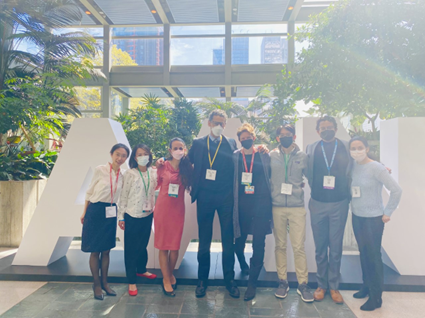
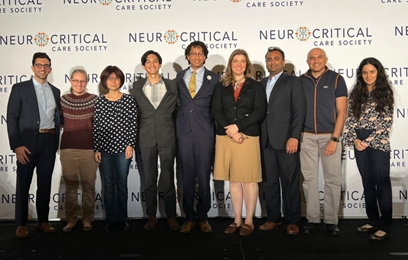
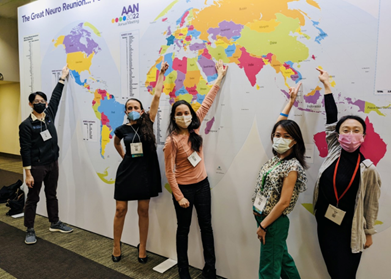
We have also built internal grant opportunities, which provide bridge funding and support our trainees who aim to pursue a career as clinician scientists.
Current Fellow Projects
– Predicting Extubation Failure Using Neuroimaging Biomarkers and Breathing Patterns (Awarded the Adler TBI Research Grant)
– Examining EEG patterns prior to Cerebral Herniation in Patients Post-Cardiac Arrest
– Clinical utility of quantitative blood volume analysis in severe traumatic brain injury (Awarded the Adler TBI Research Grant)
– Assessing the Ability of a Composite MRI Brain Score to Predict Outcomes in Patients Post Cardiac Arrest
– Associations between Glucocorticoid Treatment and Outcomes in Aneurysmal Subarachnoid Hemorrhage
– Developing an Interactive Virtual Curriculum for Death by Neurologic Criteria (Awarded the Washington Innovations in Simulation Health Grant)
– Provider Perceptions of Potential Healthcare Disparity Related to Treatment Decisions of Older Adult Patients with Severe Traumatic Brain Injury (Awarded the Adler TBI Research Grant)